
The honest state of Koh Lipe conservation
I run a dive operation inside Tarutao National Marine Park and I’ve spent over a decade watching how Thai islands respond to tourism pressure. Here’s the honest version of where Koh Lipe sits.
The reefs around Koh Lipe are in noticeably better condition than the busier Thai islands. Compare them to Koh Tao — where I also operate — and the difference is visible. Healthier hard coral, more dense soft coral on the current-exposed pinnacles, larger fish, more macro variety. That’s not luck. It’s a direct result of two things: the park’s seasonal closure gives the marine life time to recover, and the volume of divers and snorkellers is a fraction of what you see on more developed islands.
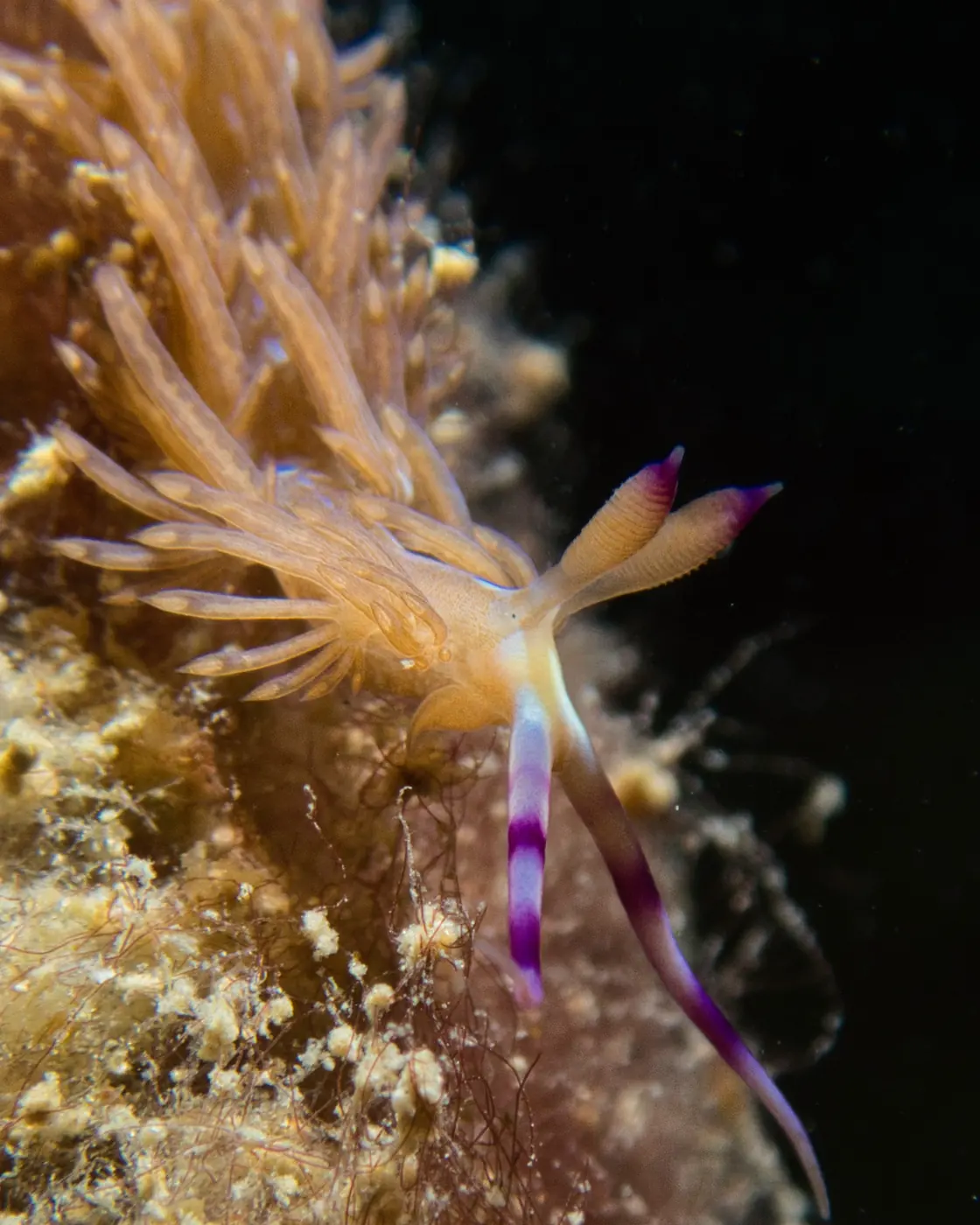
I saw the power of this most clearly during COVID. I spent most of those months on Koh Tao, watching what happened when tourism essentially stopped. Within a season:
- Bull sharks that hadn’t been seen on Koh Tao for over 10 years started reappearing.
- Macro life I had never spotted in 12 years of diving the island became abundant.
- The reefs themselves visibly settled and recovered.
Then tourism came back, and those species disappeared again. The point isn’t that tourism is the enemy — it’s that unmanaged tourism is. The Tarutao park closure is essentially a yearly mini-COVID for the reef, and the difference shows up in what you can see when you dive here.
Even the dive sites around Koh Lipe that aren’t formally part of the closed-season marine park rotation are often given temporary bans of a few months at a time, with dive schools voluntarily not visiting. That’s the system working.
The pressure list — what’s actually threatening the place
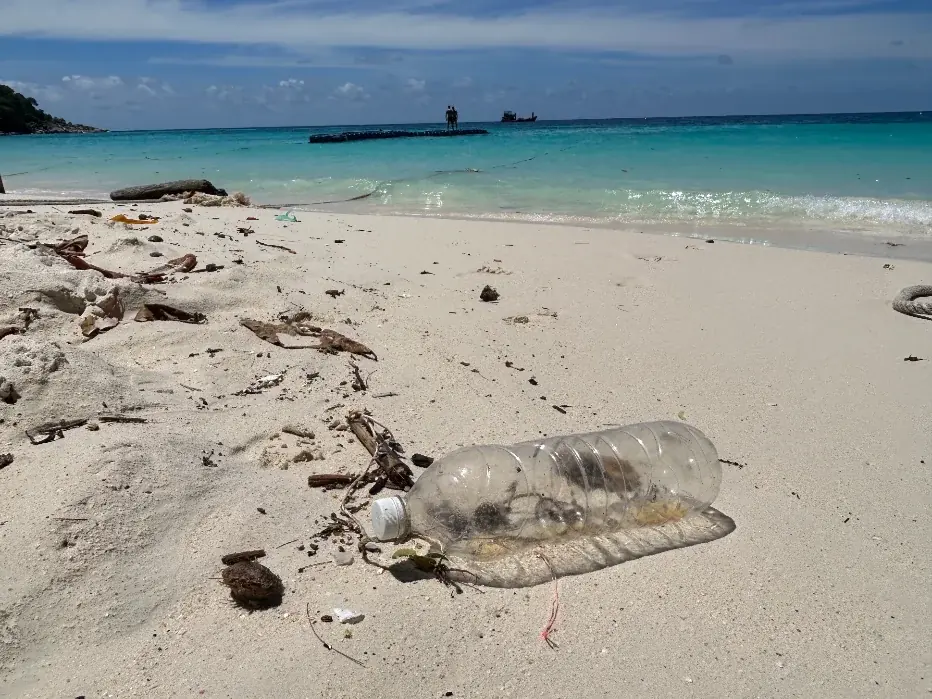
Plastic accumulation. The most visibly distressing issue. Depending on prevailing currents and the season, different beaches around Koh Lipe accumulate huge volumes of plastic waste — water bottles, packaging, fishing gear, microplastics. It’s a daily task for beachfront businesses to pick up tons of plastic from their sections of beach. And to be honest, much of that plastic isn’t from Koh Lipe — it’s regional ocean current carrying waste from across Southeast Asia. It’s a losing battle locally, even though the local community works hard at it.
Poorly planned development. On the Sunrise Beach side of the island, there used to be a natural freshwater lake. Over the years, development has built over it — streets and buildings now occupy what was a working ecosystem. The problem was that the planning didn’t account for water flow. The result: in monsoon season, you can find yourself walking through shin-deep water in the middle of the village. It’s not a good look, and it’s a reminder that not every conservation issue is about coral and fish.
Coral bleaching from warming seas. This is the global problem nobody can solve locally. Rising sea surface temperatures, particularly in February–April when the water is warmest, cause periodic coral bleaching events. The Tarutao reefs have largely held up better than more stressed Thai reefs, but the trend is concerning.
Education gaps. I see this constantly — local boat crews dumping bags of trash into the ocean, tourists standing on coral because they think it’s a rock, snorkellers feeding fish for a photo. Most of it isn’t malicious. It’s lack of awareness, and it’s something the Thai government could do more to address with widespread educational campaigns. Business owners on the island also bear responsibility for educating their staff. A clean island and protected wildlife are the only reason tourism exists here in the first place — without them, the businesses don’t survive. It’s frustrating that this connection isn’t always obvious to everyone.
Enforcement gaps. The reef-safe sunscreen law is a good example. The law exists, the fines (up to 100,000 THB) are serious, and the intent is right. In practice, enforcement is genuinely difficult. Park rangers would need to witness someone actively applying non-reef-safe sunscreen to fine them — finding a banned product in a bag isn’t enough. The bigger driver of compliance has been dive shops and beach businesses educating their customers and stocking reef-safe alternatives. La Bombona Diving and Dive Ventures Koh Lipe both carry products in stock.
Lack of public infrastructure. This is an under-discussed issue across all of Thailand, not just Koh Lipe: there are almost no public bins. That genuinely doesn’t help the litter situation. Local businesses fill the gap, but it means an unprepared tourist often has nowhere to dispose of trash properly.
What’s actually working — the local initiatives doing real work
Despite the pressures, Koh Lipe has a relatively conscious community that takes conservation seriously. Several initiatives are worth knowing about — and getting involved with.
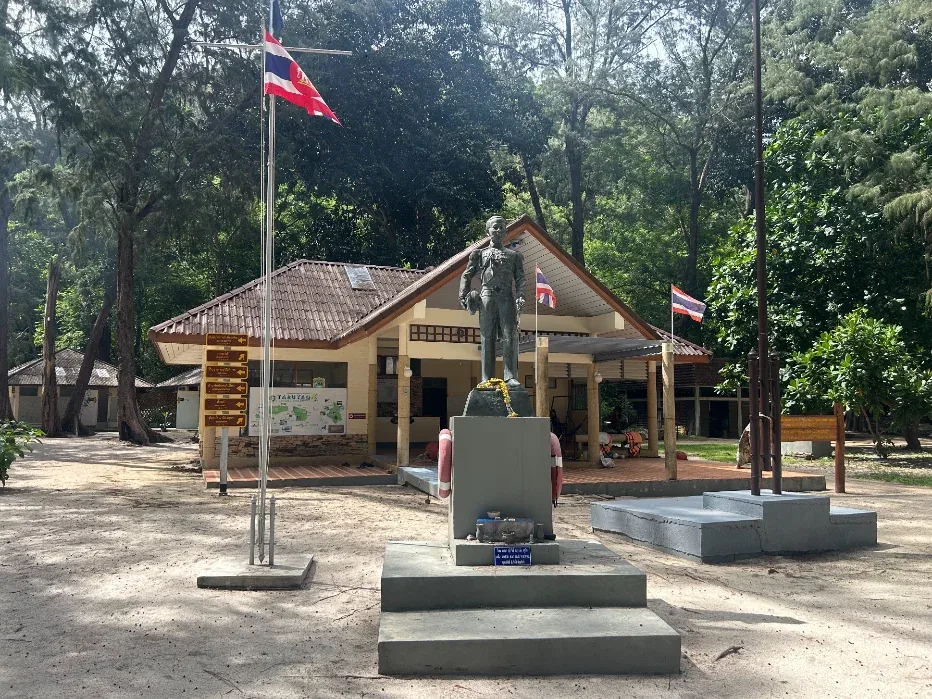
Tarutao National Marine Park
The foundation of everything. Tarutao National Marine Park was established as Thailand’s first marine national park on April 19, 1974, covering 51 islands across the Adang and Tarutao archipelagos. In 1984, it became one of the inaugural ASEAN Heritage Parks — a regional designation that gives it formal cross-border conservation status.
The seasonal closure typically runs mid-May through September 30 each year (exact dates set annually by the Department of National Parks). During the closure, most of the surrounding park islands are off-limits, dive and snorkel trips pause, and the reef gets to breathe. Importantly, Koh Lipe itself stays open year-round — it’s the only major island in the park that does — so the island’s tourism continues even when the surrounding park closes.
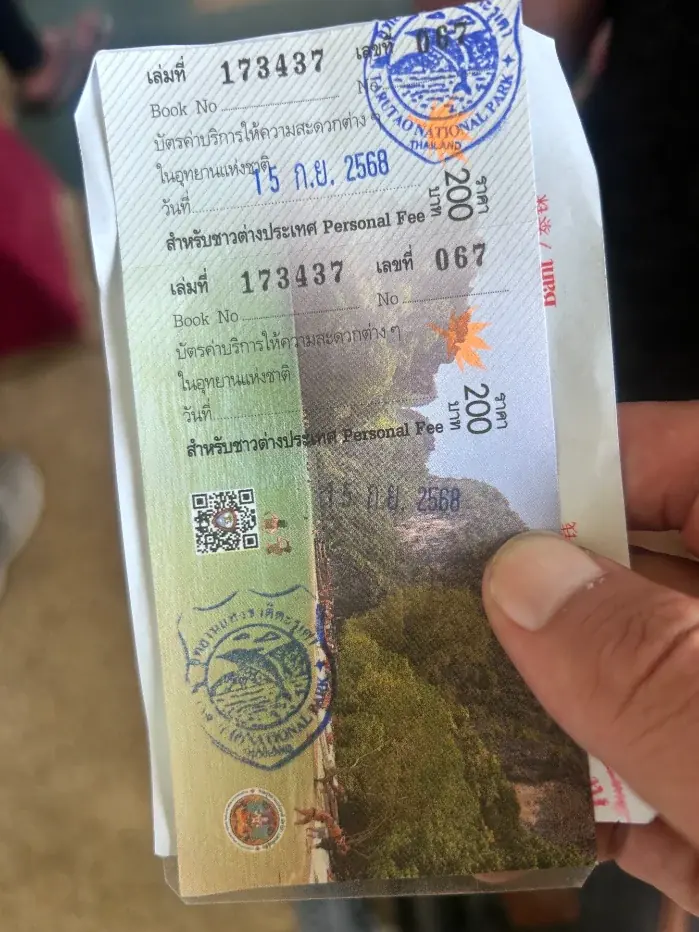
The park entry fee (200 THB per adult, collected on arrival) funds the operation. Keep the ticket — it’s valid for several days.
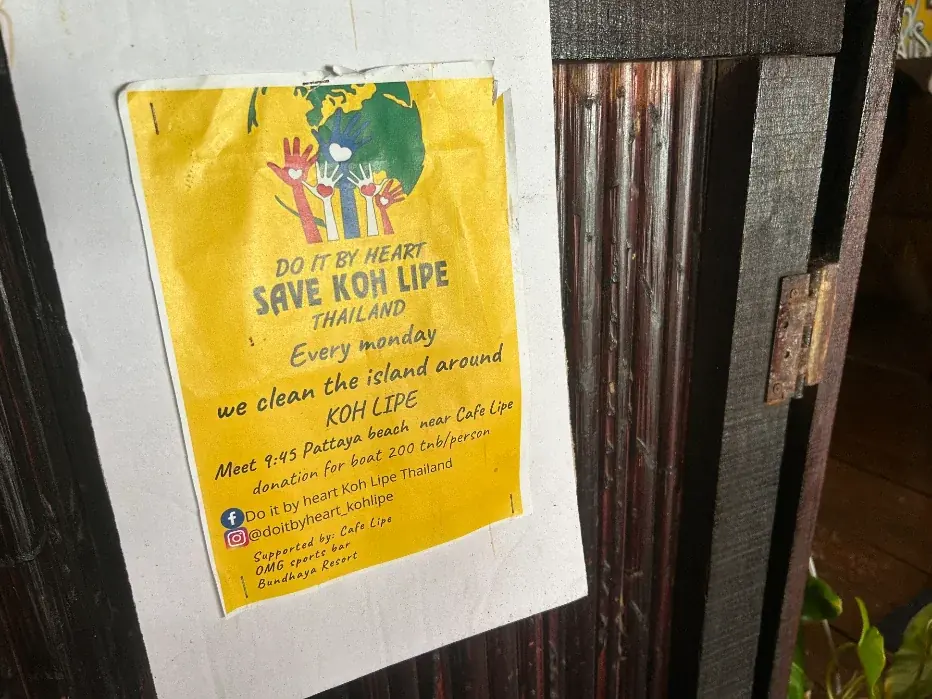
Save Koh Lipe (Darius, Cafe Lipe)
A community-driven clean-up operation run by Darius at Cafe Lipe. The setup is straightforward and unfussy:
- Every Monday, Darius runs boat trips to the surrounding park islands to clean trash from their beaches.
- Cost is 200 THB per person — that’s not profit, it’s just covering the boat fuel.
- Beachfront businesses on Koh Lipe itself already handle the main island’s cleanup, so Save Koh Lipe focuses on the surrounding islands that don’t have permanent businesses doing it.
- Nice extra: while on the other islands, Darius collects water from a natural spring. He gives it away for free at the cafe — bring a reusable bottle.
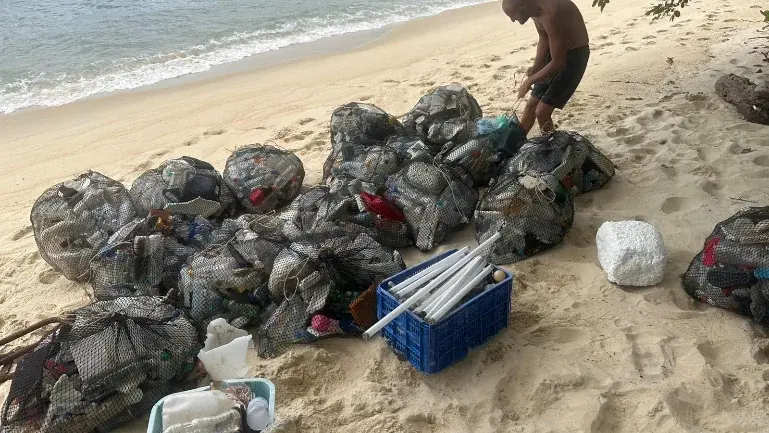
This is one of the most direct ways a visitor can spend a morning making a tangible difference. Three or four hours of beach clean-up, a chance to see surrounding islands you wouldn’t otherwise visit, and you genuinely help shift trash off the reef coastlines.
Trash Hero — which started right here
Surprising detail: Trash Hero actually started on Koh Lipe. It’s a community-driven clean-up movement that has since spread across Thailand (Phuket, Koh Lanta, Koh Phangan, Koh Tao) and into Malaysia and Indonesia. The full network is at trashhero.org.
Honest update: the Koh Lipe chapter isn’t as active today as it once was, but the movement Lipe seeded continues to do significant work elsewhere. The Trash Hero page on this site has the local history. If you’re travelling on through Thailand after Koh Lipe and want to keep contributing, look up Trash Hero chapters in your next destination.
La Bombona’s Cigarette Butt Challenge
The most concrete educational-with-incentive program on the island. La Bombona Diving introduced the Cigarette Butt Challenge as a way to attack one of the most overlooked litter problems — cigarette butts on the beaches.
How it works:
- Pick up a biodegradable bag from Lipe Lab (the cafe run by Kung on Walking Street).
- Walk the beach. Pick up cigarette butts.
- Return the bag full of butts to either La Bombona Diving or Lipe Lab.
- Get a free coffee, or 10% off scuba diving.
Cigarette butts are the single most common piece of marine litter globally and are largely invisible until you start looking for them. They leach toxins into the sand and water for years. The challenge turns the whole problem into something tangible — bag in hand, butts in bag, beach genuinely cleaner — with a coffee or a discount as the reward at the end. The kind of program that should exist in more places.
Ocean Quest Global — coral propagation
For visitors who want to go deeper, Ocean Quest Global is a coral propagation charity offering structured 1–2 day courses on Koh Lipe. You can take these at Adang Sea Divers — they run the local program.
You learn the science and the practical skills of coral propagation: how reefs reproduce, how broken fragments can be salvaged and grown into new colonies, the techniques and tools for actively rebuilding coral in damaged areas. It’s hands-on, scientifically grounded, and one of the best ways a diver visiting Koh Lipe can directly contribute to long-term reef health.
If you’re already on the island for diving and want to add a conservation dimension to the trip, this is the obvious move.
The single-use plastic ban
Koh Lipe has a working single-use plastic ban in place. 7-Eleven will not give you a plastic bag. Single-use cutlery, plastic straws, and similar items are also out. Bottled water remains exempt — the infrastructure isn’t there to replace it yet, though refill stations are filling the gap (see below).
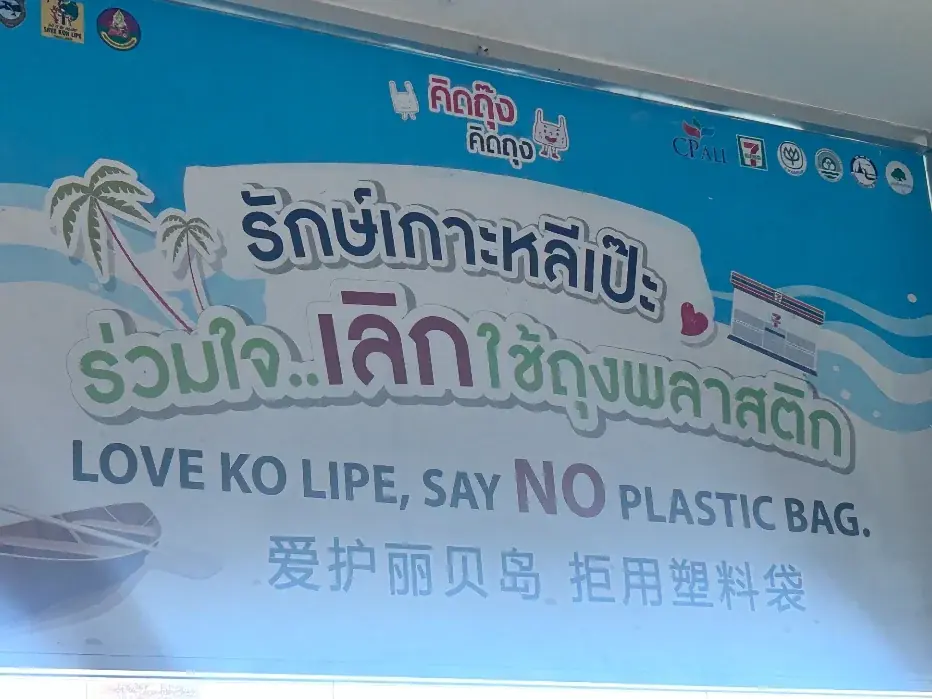
The ban genuinely works on a day-to-day level. You’ll arrive, you’ll need a reusable shopping bag within an hour, and after a couple of days the absence of casual plastic feels natural.
Refill stations and reusable water bottles
You can’t drink the tap water on Koh Lipe, but you don’t have to keep buying bottled water either. Several places offer free refills:
- La Bombona Diving has a large water dispenser available for anyone to refill from — bring a bottle, fill up, no charge.
- Most hotels have refill dispensers in reception.
- Cafes and restaurants will refill bottles for a small fee or free.
Bring a reusable water bottle. It pays for itself in the first day, reduces the bottled water problem the ban couldn’t address, and means you’re not constantly buying plastic on top of the ban’s other restrictions.
A specific request: don’t post turtle locations on social media
This one is genuinely under-discussed. If you see a sea turtle while snorkelling or diving on Koh Lipe — and you might, they’re around — be careful about what you share publicly.
Don’t post photos with location data. Don’t name the specific reef or bay. Don’t tag the operator or the dive site.
The reason: the Chao Lay (sea gypsy) people in this region traditionally see sea turtles as a delicacy. Public turtle sightings on social media can lead directly to turtles being hunted. This isn’t a hypothetical risk. Tourist enthusiasm for sharing wildlife encounters can have very direct consequences.
The protocol is simple: enjoy the encounter, take the photo, keep the location vague. “I saw a turtle in the Andaman Sea” is fine. “Saw a turtle at [specific reef name] off Koh Lipe” is not.
What absolutely not to do
The behaviours that genuinely damage the place — and in some cases get you fined:
Don’t touch the coral. Don’t stand on it. This is the most common issue I see, and it’s almost entirely an education problem. Coral is a living animal — not a rock. Most visitors who stand on coral assume they’re standing on stone. They’re not. Even brief contact damages or kills colonies that take decades to grow. There’s also a personal angle: if you touch coral with bare skin, it can easily cut you, and the organisms transfer into the cut and cause infections that can get genuinely nasty in tropical conditions. Look. Don’t touch. Maintain at least a two-metre buffer.
Don’t feed the fish. It’s against marine park rules, it disrupts natural feeding behaviour, and it changes the population balance of reefs over time. The food people use (bread, snacks) often makes fish sick. Looking is enough.
Don’t ignore the reef-safe sunscreen law. Even though enforcement is difficult, the chemicals are genuinely damaging at very low concentrations. Oxybenzone can deform coral larvae at one drop per six Olympic swimming pools’ worth of water. The fine — up to 100,000 THB — is real. Choose reef-safe before you fly.
Don’t leave trash on the beach. If you take food or drinks to the beach, take your trash with you when you leave. If there’s no bin nearby (often the case), most businesses on the island will happily dispose of trash if you bring it to them. The lack of public bins is genuinely a problem, but it doesn’t change your responsibility.
Don’t anchor on coral if you’re chartering a boat. Reputable operators use moorings, not anchors, around reef sites. If you’re on a charter that’s dropping anchor on the reef, that operator is part of the problem.
Don’t try to take anything from the reef. No shells, no coral fragments, no sea creatures, no rocks. The marine park rules apply, and so does basic decency.
The seasonal angle — when you visit matters
Beyond your individual choices, when you visit Koh Lipe has its own conservation footprint.
High season (December to April): maximum tourism pressure, maximum revenue funding the protection infrastructure, but also maximum impact on the reefs. The park is in full operation, dive and snorkel trips run daily, and the marine life is dealing with the largest number of visitors per day.
Shoulder months (October and May to early June): quieter, less pressure on the reef per day, similar conservation value of tourist revenue funding the park infrastructure. The most conservation-conscious time to visit if you’re flexible on timing.
Low season (June to September): the park is officially closed during the monsoon period, surrounding islands are off-limits, and most operators are shut. Koh Lipe itself stays open but the conservation system is essentially in its annual recovery phase. Travelling now means you don’t actively contribute, but you also don’t actively pressure the reef.
If you have the flexibility, the shoulder months are the best balance — your trip funds the protection system, you get great conditions, and your impact per day is lower because the island isn’t at capacity.
The honest comparison — how does Koh Lipe rank?
A reasonable question: is Koh Lipe genuinely a credible conservation destination, or is it greenwashing?
Better than: Phuket, Phi Phi, Koh Samui, Pattaya. Not even close. Those destinations have run further past their carrying capacity than Koh Lipe is likely to, and their reefs reflect it.
Comparable to: Koh Lanta, the Similan and Surin Islands. Similar protected marine park status, similar reef quality, similar tourism management.
Not as evolved as: Raja Ampat (Indonesia), Bunaken (Indonesia), some of the Philippine reserves, or the Maldives’ best-managed atolls. Those have stricter visitor caps, more advanced reef restoration programs, more comprehensive marine protected areas.
So Koh Lipe sits in the upper middle of the global pack — genuinely doing more than most Thai destinations, but with room to improve. The local community is conscious, the visible initiatives are working, and the reefs are healthier than they have any right to be given the global pressure. It could do more on education, enforcement of the sunscreen law, public infrastructure (bins, signage), and reef restoration. None of these are reasons not to come — they’re reasons to be a thoughtful visitor.
Climate change — the elephant in the reef
It’s worth saying clearly: no amount of perfect local conservation solves the global problem of warming seas. Coral bleaching events are increasing in frequency and severity worldwide. Koh Lipe’s reefs are healthier than most, but they’re not exempt from this trend. The same Andaman Sea that supports them is warming on the same trajectory as the rest of the ocean.
This isn’t a reason to give up on local conservation — local protection genuinely buys time and resilience. But it’s worth being honest that even if the plastic ban worked perfectly, even if every diver was perfectly trained, even if every tourist used reef-safe sunscreen, the reefs would still be under threat from climate change. The work being done on Koh Lipe is meaningful within the constraints of what local action can achieve. It’s not the whole answer.
Choosing to dive or snorkel here rather than at a more damaged destination is itself a small conservation choice. Your money supports a protected marine park doing real work. That matters.
A final thought
Koh Lipe has a relatively conscious community that understands the connection between protecting the marine park and surviving as a tourism destination. Without the wildlife, without the clean island, without the healthy reefs — the tourists don’t come, and the businesses don’t survive. That economic reality reinforces conservation in a way that genuinely matters.
But it works in both directions. If visitors arrive and treat the place as a beach playground with no responsibility — touching coral because they think it’s a rock, leaving trash, ignoring the sunscreen law, posting turtle locations on Instagram — they erode the very thing that makes Koh Lipe worth visiting.
So the practical request is simple. Be observant. Be respectful. Look, don’t touch. Refill your bottle. Carry your trash. If you’ve got a free morning, join Darius for a beach clean-up. If you’ve got a free day, learn to propagate coral with Ocean Quest. You don’t have to be a conservation hero. You just have to not make things worse, and ideally, leave the place a little better than you found it.
The reefs you came to see are worth that.