How to use this page
The eight sites below are grouped by the kind of diver they suit, not alphabetically. Read the headline on each card to see whether the site is right for you, then click through for the full breakdown.
If you’re new to Koh Lipe diving, the main scuba diving page covers why the diving here is worth the trip — healthier reefs than Koh Tao, bigger fish from stronger currents, and a quieter underwater experience than most Thai islands. The reefs sit inside Tarutao National Marine Park, which was established as Thailand’s first marine national park on April 19, 1974 and named an ASEAN Heritage Park in 1984. If you’re still working out your certification path, the diving courses page routes you to the right course.
The 8 sites worth your time
Advanced sites — the ones that need AOW
8 Mile Rock
Depth: 14–38m · AOW required · The signature site
Submerged pinnacle 8 nautical miles west of Koh Lipe, rising from a sand floor at 38m to a top plateau at 14m. Strong currents, schooling barracuda and trevally, dense soft coral, and — on rare lucky days — whale sharks, mobula schools, and even the occasional marlin. The dive site that defines Koh Lipe diving. If you only do one advanced dive, this is the one.
→ Read the full 8 Mile Rock guide
Stonehenge
Depth: 14–30m · AOW required · The soft coral pinnacle
The other named advanced pinnacle in the area. Similar energy to 8 Mile Rock — current-driven, structurally beautiful, dense with soft coral on the exposed faces — but with a different personality. Less likely than 8 Mile to deliver the big pelagic species, more reliable for the structure and the soft coral. If you have time for both, do both.
→ Read the full Stonehenge guide
Yong Hua Shipwreck
Depth: 28–45m · Deep certification required · The wreck
The only proper wreck in the Koh Lipe area, locally known to have sunk in 1993. External sources describe it as a large vessel approximately 65–75 metres long, lying on its starboard side, with the top of the wreck sitting around 28 metres and the sand floor at approximately 42–45 metres. The structure is overgrown with soft coral, black coral, and gorgonians, with giant barracuda, schooling fusiliers and snappers, and lionfish suspended over the wreck. A serious dive — depth certification is required because the most interesting parts of the structure sit well below standard recreational limits. Worth saving for divers with the right qualifications and the right gas plan.
→ Read the full Yong Hua Shipwreck guide
Macro and structure — the careful-look sites
Talang Steps
Depth: 10–25m · All levels · The macro standout
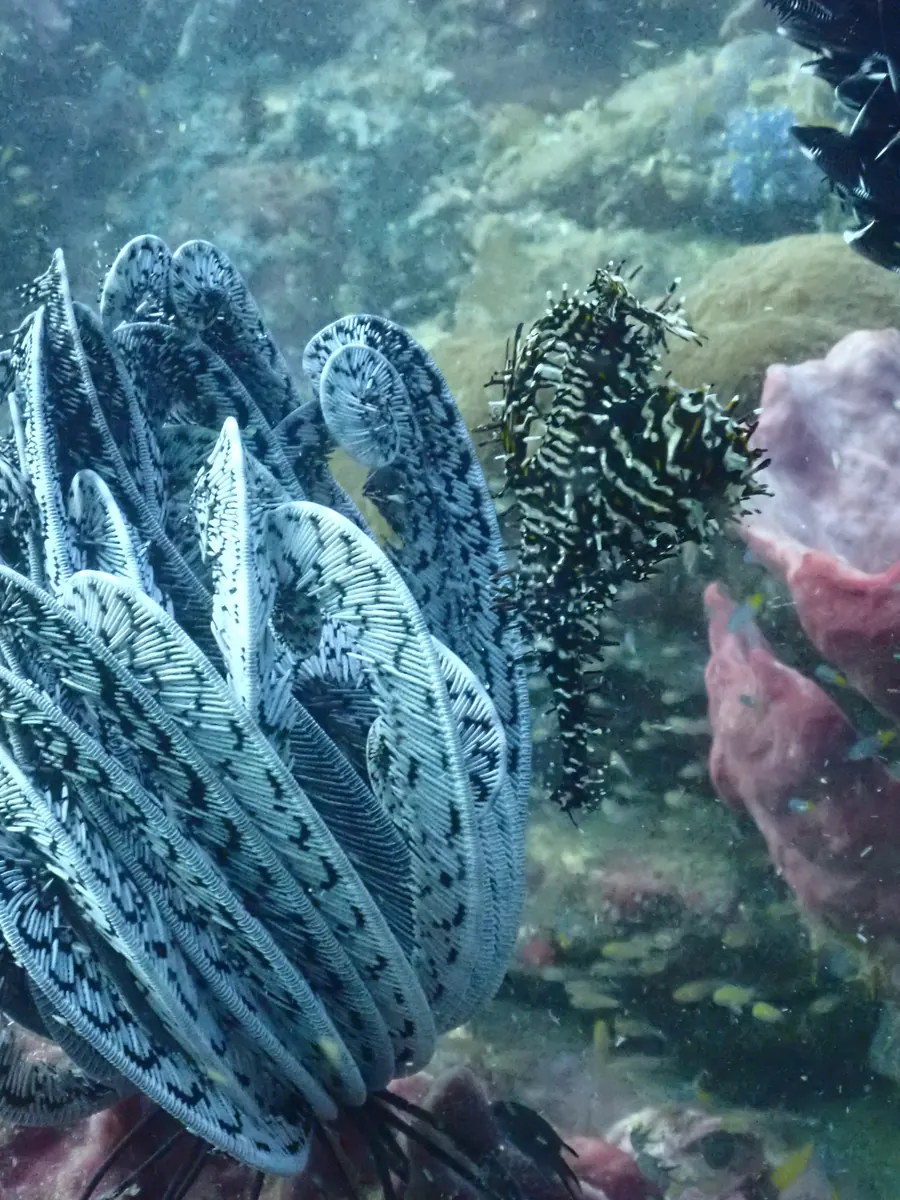
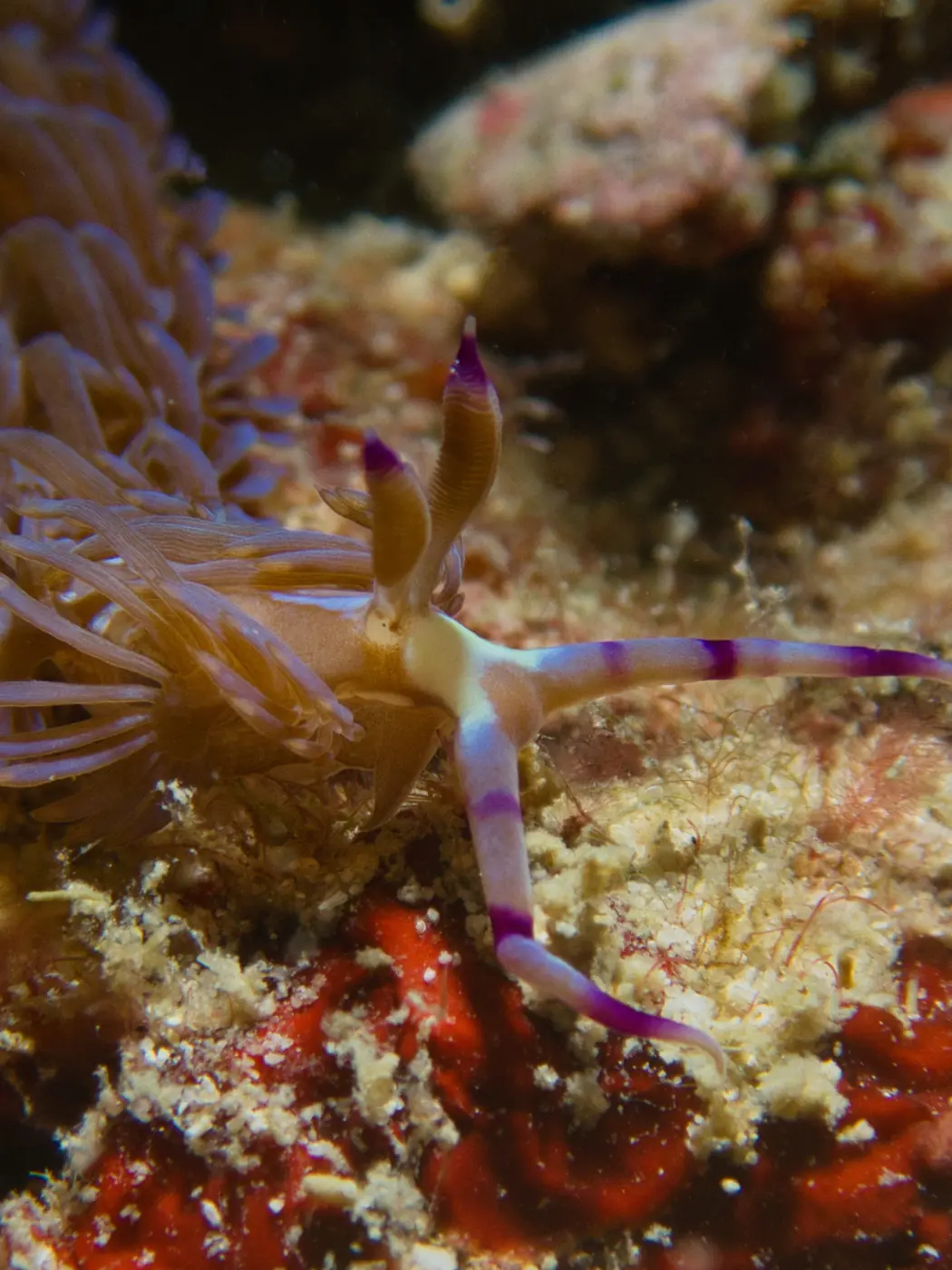
A unique stepped reef formation shaped by years of current — one of the best macro sites around Koh Lipe and my personal favourite spot on the island. Reef sharks, seahorses, ghost pipefish, and colourful nudibranchs. Worth diving slowly and looking carefully rather than racing along the structure. Also accessible from the shore for snorkellers, which speaks to how shallow and rich the upper section is. Often paired with Talang Wall — an easy drift along massive barrel sponges and healthy hard coral, with sea snakes and ghost pipefish in the mix.
→ Read the full Talang Steps guide
Koh Usen
Depth: 6–12m · All levels · The colourful chill dive
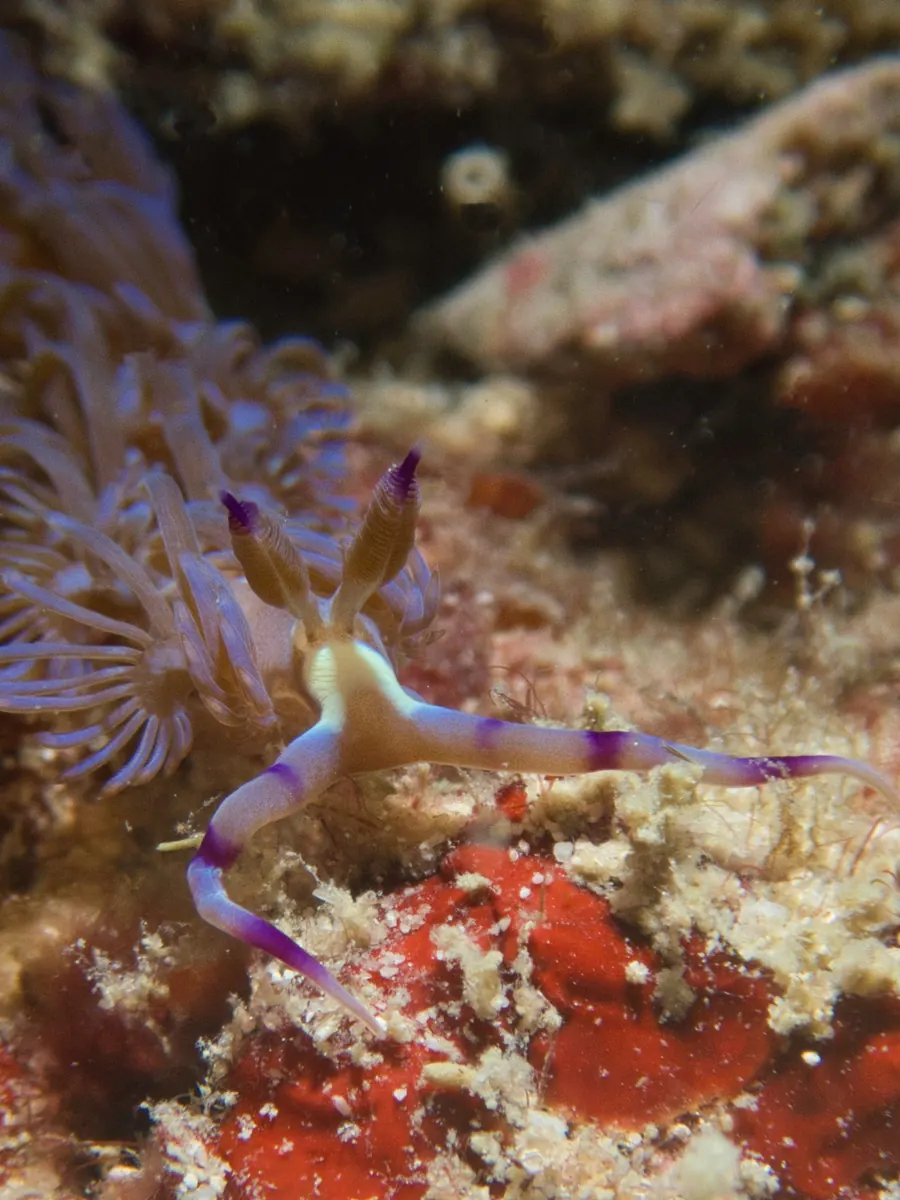
Colourful and full of life. Depending on the current it can be a very chill dive or a fun drift — either way it rewards patience. Soft corals, seahorses, scorpionfish, and several species of nudibranch. Good for divers who want a relaxed dive that still delivers something interesting at every angle.
→ Read the full Koh Usen guide
Beginner and intermediate sites — the reliable reefs
Honeycomb Reef
Depth: 5–10m · All levels · The beginner-friendly reef
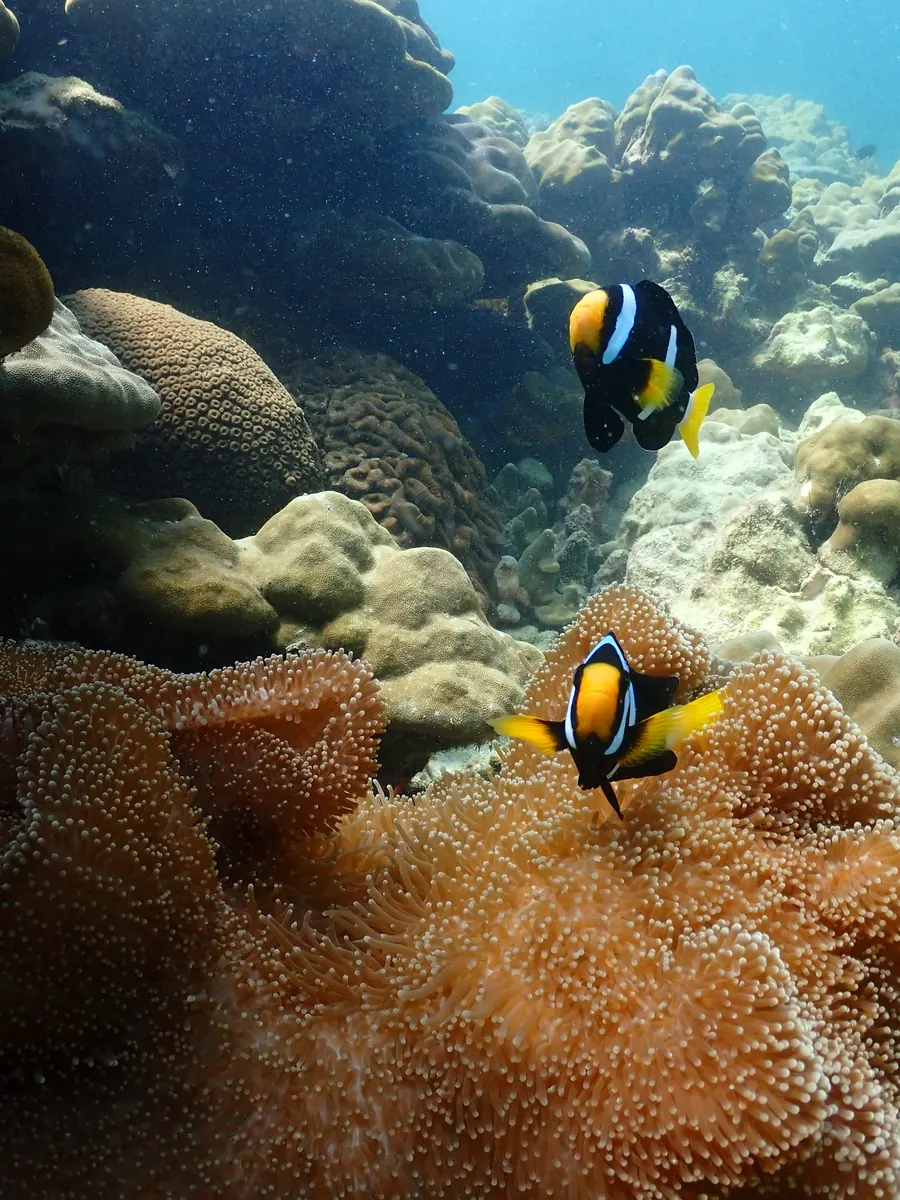
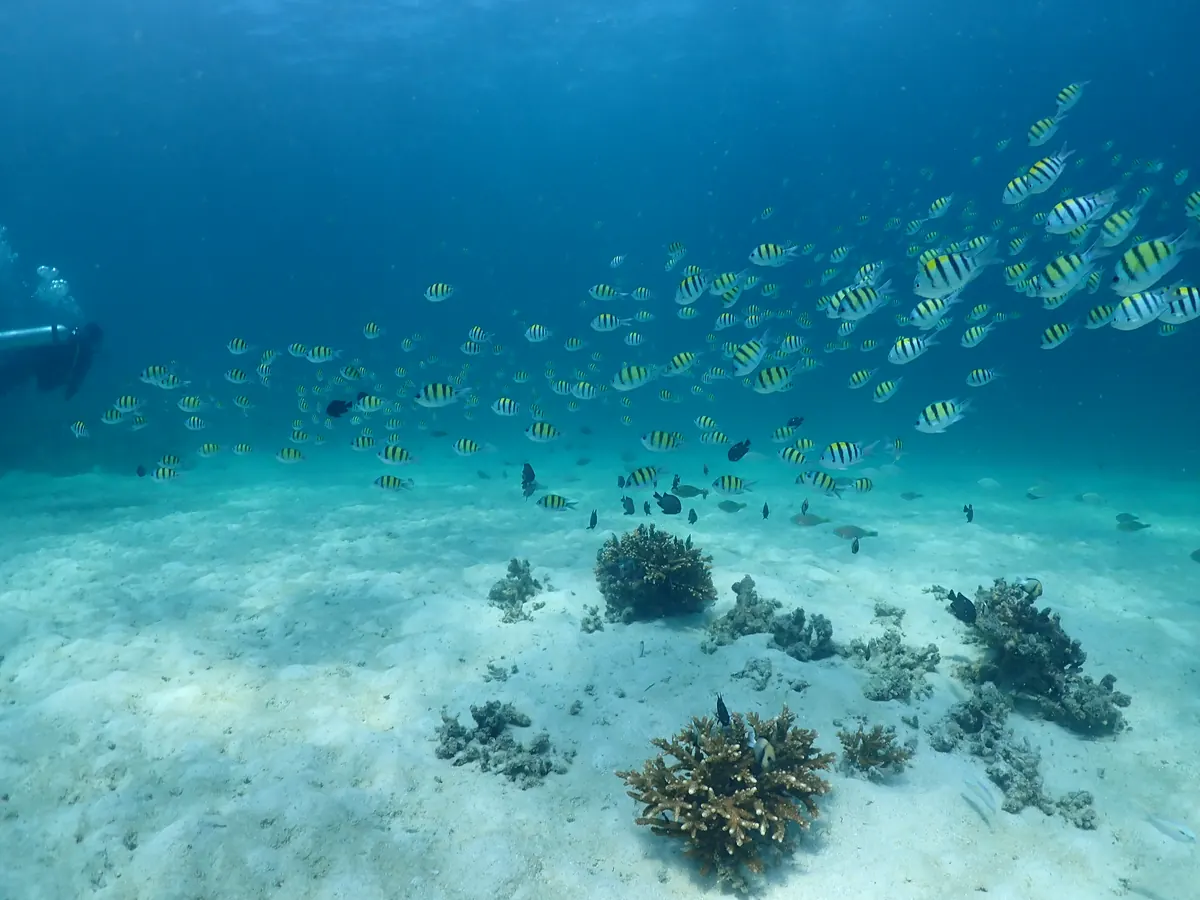
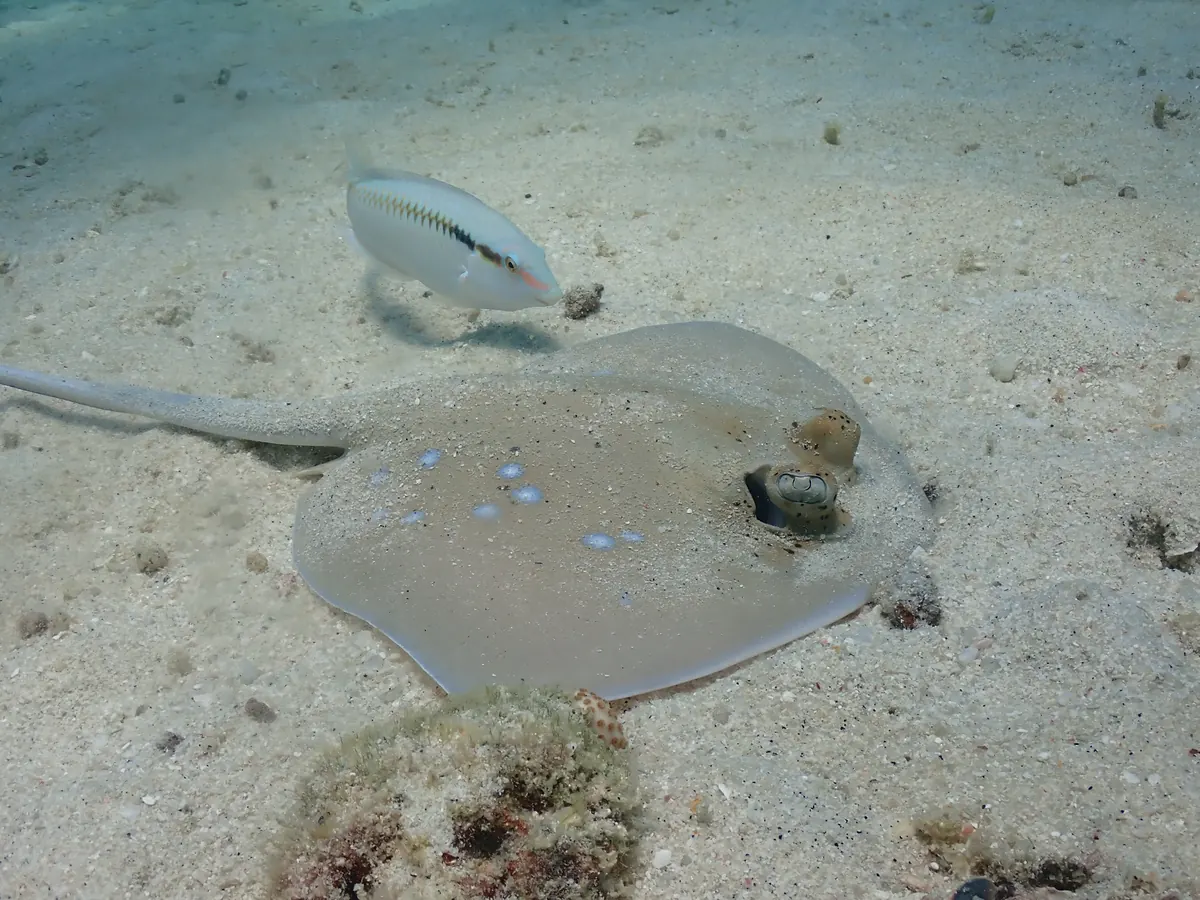
The easiest of the eight and ideal for newer divers, Open Water students on their first ocean dives, and anyone who wants a relaxed, low-stress dive. Hard coral in healthy condition, big schools of yellow snapper, and Nemo (clownfish) tucked into the anemones. Keep an eye on the sand for stonefish and bluespotted rays — both well camouflaged, both worth spotting carefully.
→ Read the full Honeycomb Reef guide
Hin Ngam
Depth: variable · All levels · The easy, photogenic dive
Easy, photogenic, family-friendly. One of the most accessible sites in the area for divers building confidence, students finishing their certification dives, or experienced divers who want a relaxed day without the demands of the advanced pinnacles. Healthy reef, plenty of small reef fish, and a forgiving structure that’s easy to navigate.
→ Read the full Hin Ngam guide
Koh Yang
Depth: variable · All levels · The bread-and-butter variety dive
One of the most reliable sites in the local rotation — the kind of dive operators use for check-out dives on day one to dial in buoyancy and weight, and the kind of site that consistently delivers a solid mix of marine life and structure without demanding the experience of the advanced pinnacles. A good choice for the first dive of any Koh Lipe trip, regardless of your level.
→ Read the full Koh Yang guide
Building a Koh Lipe dive trip — the realistic structure
Operators on Koh Lipe typically run two dives per trip and most divers do three or four days of diving on a Koh Lipe holiday. Here’s the structure I’d recommend across three days:
Day 1 — settle in. Start with a check-out dive at Koh Yang or Honeycomb Reef to calibrate your weight and buoyancy, then a second dive at Hin Ngam or Koh Usen to ease into Koh Lipe diving. Build trust with your guide, dial your gear in, and get used to the conditions.
Day 2 — go big. Two dives at 8 Mile Rock if conditions allow. This is the site to prioritise — the further-out pinnacle with the biggest fish and the best chance of pelagic encounters. Pick a Monday or weekday for a quieter site.
Day 3 — variety. A morning at Stonehenge for the structure and soft coral, then an afternoon at Talang Steps for the macro and the soft-coral wall section. A genuinely different second dive from anything you’ve done so far.
Day 4 (if you have it). The Yong Hua wreck if you’re depth-certified, or a return to the site that delivered most on the first three days. Repeat dives at favourite sites often outperform first-time visits to a new site, simply because you know what to look for.
You won’t dive every site on the list. That’s fine. You’ll have a reason to come back.
The certification context
The certification thresholds mentioned above follow standard recreational diving limits — Open Water dives stay within 18 metres, Advanced Open Water permits diving to 30 metres, and deep specialty certifications extend recreational diving to a maximum of 40 metres. The Yong Hua wreck sits beyond standard AOW limits at its base, which is why deep certification matters for the full structure.
The Tarutao National Marine Park itself follows a seasonal closure cycle — typically mid-May through September 30 each year — which is why most operators run from October to mid-May only. The closure is what keeps the reefs healthier than the busier Thai dive destinations that don’t get this annual recovery period.
A final thought
Eight sites is enough to keep most divers busy across a full Koh Lipe trip and to deliver the full range of what the area offers — from gentle beginner reefs to the open-Andaman pinnacles that put this place on the dive map. Pick the sites that match where you are as a diver, trust your operator to route the day around the conditions, and remember that the best dive isn’t always the most famous one. Sometimes it’s the shallow macro hunt that delivers the stories.
If you’re not sure where to start, talk to your operator on day one. They’ll know what’s been firing and what to save for tomorrow.